
The crash happened on the M4 near junction 12. It was over in seconds. But what happened on the hard shoulder afterwards — that's the part nobody expected to matter.
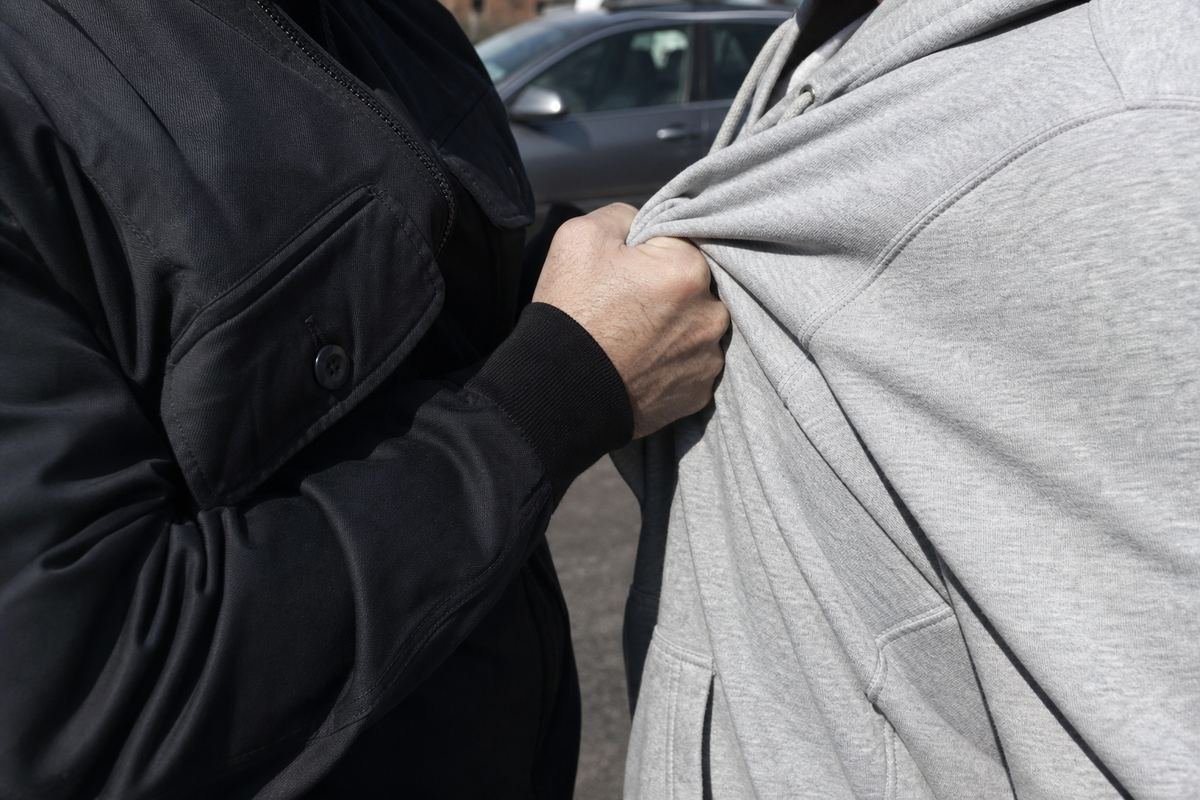
Nick had barely stopped his car when the other driver was already out, walking towards him. Fast. There was no "are you okay." There was no exchange of insurance details. Instead, the man came right up to him and told him, very clearly, exactly how this was going to go.
He had braked without warning. He had caused the crash. If Nick called the police, it would be his word against his. And he'd lose.
"He was right in my face," Nick says. "Standing there telling me what happened, as if I hadn't been there. And I'm thinking — wait, this isn't how it went. At all."
What the other driver didn't know — what he couldn't have known — was that Nick's dashcam was still recording. It had been on the whole time. The crash. The hard shoulder. The conversation. All of it.
One Camera. Two Very Different Stories.
When Nick pulled over, the Citroën had already come to a stop against the barrier. The driver had lost control in the middle lane — there was no contact between the vehicles before that moment. Nick had done nothing except be in the wrong place.
But that's not the version the other driver's insurer would hear. Within days of the accident, they had contacted Nick's insurer with their account: that Nick had been driving too close, that he had contributed to the incident, and that liability should be shared.
Nick's own insurer was blunt. Without independent evidence, they said, settling on a 50/50 basis was the most likely outcome. He'd lose his no-claims discount. His premium would go up. And the repairs — which ran to several thousand pounds — would be split.
"They used the phrase 'he said, she said' actually. My insurer. As if I was making it up."
— Nick, 47, Berkshire
Then someone asked about the dashcam. And then the police — who had attended the scene and taken the unit as evidence — returned it. Five months later.
What the Camera Saw
The footage was unambiguous. The Citroën drifting. The barrier. The sequence of events exactly as Nick had described, and nothing like the version submitted by the other insurer. Including, recorded clearly on the hard shoulder, the other driver's attempt to construct a different account.
The other insurer's position collapsed within ten days of the footage being submitted. Full liability accepted. Nick's no-claims discount restored. The repair costs recovered in full.
The confrontation on the hard shoulder — the part intended to intimidate, to get a version established before anyone could challenge it — had been caught on film. From inside the car. By a camera the other driver had never noticed.
The Hard Shoulder Is Not Off the Record
Most drivers know their dashcam records the road ahead. Fewer realise it also records what happens after the crash — conversations, behaviour at the scene, and anything that happens near the vehicle. In disputed liability cases, this footage is often more decisive than the crash itself. The moment the other driver steps out of their car, they may already be on camera.
The Part Nobody Tells You About
Nick's story has a detail that almost changed everything: he handed the camera to the police as his only copy. It took nearly five months to get it back. During that entire period, his insurer was under pressure to settle — and very nearly did.
"If they'd settled in month three," Nick says, "I'd have been stuck with it. You can't reopen a claim once it's settled."
This is the practical reality that experienced solicitors know, and most claimants don't. When an insurer says a claim has been "resolved," it's resolved. The footage arriving later — however compelling — cannot change a closed settlement. The timing of when to use evidence, and how to use it, is as important as the evidence itself.
What to Do If You Have Footage — or Think Evidence Exists
The steps that would have saved Nick five months of uncertainty:
- Copy the footage immediately — transfer it to a USB drive before handing anything to the police. They can have a copy; you keep the original.
- Do not share it with the other driver's insurer before speaking to a solicitor. When you disclose it, and how, affects what happens next.
- Don't settle under pressure. Insurers sometimes move fast when they know the other side has evidence and they don't. Patience, with legal support, wins more claims.
- Think beyond your own camera. Lorries, buses, and vans often have dashcams. Forecourt and doorbell cameras face roads. A specialist solicitor can request that footage before it's overwritten — usually within days of the accident.
What SummitRecording Does Differently
Most claimants either don't know footage exists, or hand it over at the wrong moment. The specialist solicitors SummitRecording works with do two things others don't:
They find footage you didn't know about. Commercial vehicles — lorries, buses, taxis, couriers — carry dashcams as standard. Petrol stations, ATMs, and residential doorbell cameras often face the road. In many disputed claims, the decisive recording came from a vehicle or building the claimant had never considered. Solicitors know how to request this footage before businesses overwrite their loops — and most loops run for 28–30 days. After that, it's gone permanently.
They control when footage is disclosed. Submitting footage too early — or informally — can let the other side prepare a counter-argument. Experienced solicitors know the right moment and the right channel. That timing is often the difference between a claim that settles in 10 days and one that drags for a year.
Nick waited five months for his camera back and still had to navigate the process alone. That's not a gap that should exist.
The Three-Year Window
Under the Limitation Act 1980, road accident claims in England and Wales must be started — meaning court proceedings issued — within three years of the date of the accident. Once that window closes, courts will not allow a claim to proceed, regardless of the evidence or what's on the recording.
If you were in a collision in the last three years and were told there was no case, it is worth getting a second opinion from a specialist before that window closes.
Notes on the time limit: The three-year period runs from the date of the accident or the date you first became aware of the injury — whichever is later. This matters if symptoms emerged weeks or months after the collision. For claimants under 18 at the time of the accident, the limitation period does not begin until their 18th birthday, giving them until age 21. For those who lacked mental capacity at the time, the period may be suspended indefinitely. These are general principles — your specific circumstances may affect the deadline. Speak to a solicitor if you are unsure.